Gander Mountain sausage stuffers were reliable options for hunters making venison sausage and home processors creating traditional recipes.
Vertical and horizontal sausage stuffers are available with multiple capacity options and stainless steel construction.
Types of Sausage Stuffers
Sausage stuffers come in vertical and horizontal designs, each offering specific advantages for different production volumes and preferences.
Vertical Stuffers
Best For: Home processors and hunters making occasional batches
Capacity: 3-15 pound cylinders
Vertical design minimizes air pockets and provides consistent pressure. Gravity assists the stuffing process, creating uniform sausages with minimal effort. Easier to operate single-handed while guiding casings.
Horizontal Stuffers
Best For: High-volume production and commercial operations
Capacity: 10-25+ pounds
Horizontal configuration offers faster operation and larger capacities. Better leverage for cranking makes processing large batches less tiring. Professional butchers and serious home processors prefer horizontal models for efficiency.
Top Sausage Stuffers on Amazon
Modern sausage stuffers provide reliable performance with features that simplify wild game processing and traditional sausage making.
Vertical Sausage Stuffers
Stainless steel construction resists corrosion and simplifies cleanup. Available in 3, 5, 7, and 11-pound capacities for different production needs.
Includes multiple stuffing tubes for various sausage diameters. Air release valve prevents air pockets. Suction base or clamp mount provides stability during operation.
Horizontal Sausage Stuffers
Heavy-duty gear systems provide smooth, consistent pressure for uniform stuffing. Larger cylinders reduce refill frequency during high-volume processing.
Mounting bracket secures to work surface for leverage. Stainless steel cylinder and piston ensure food safety and easy maintenance.
Sausage Casings
Natural hog casings for fresh sausage provide traditional snap and texture. Available pre-tubed for convenience or in hanks for bulk processing.
Collagen casings offer consistency and extended shelf life. Sheep casings for breakfast links and snack sticks. Beef casings for large summer sausage.
Sausage Seasonings
Pre-mixed seasoning blends ensure consistent flavor across batches. Options include breakfast sausage, Italian, bratwurst, chorizo, and summer sausage varieties.
Measured portions for specific meat weights eliminate guesswork. Includes mixing and curing instructions for optimal results.
Stuffing Tubes
Stainless steel stuffing tubes in multiple diameters accommodate different casing sizes. Standard sizes include 3/8″, 1/2″, 3/4″, and 1″ for breakfast links through summer sausage.
Smooth interior finish prevents tearing delicate natural casings. Universal sizing fits most standard stuffer models.
Meat Grinders
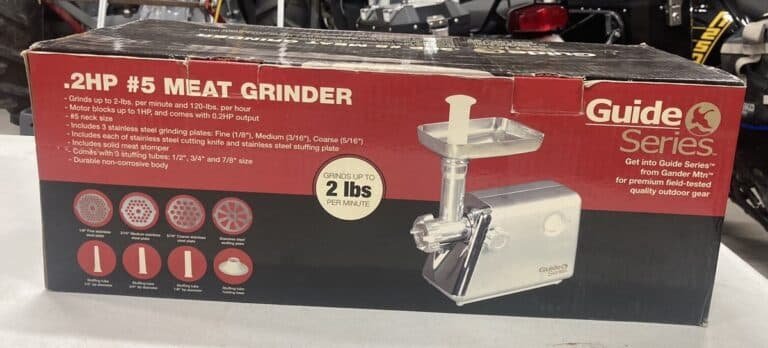
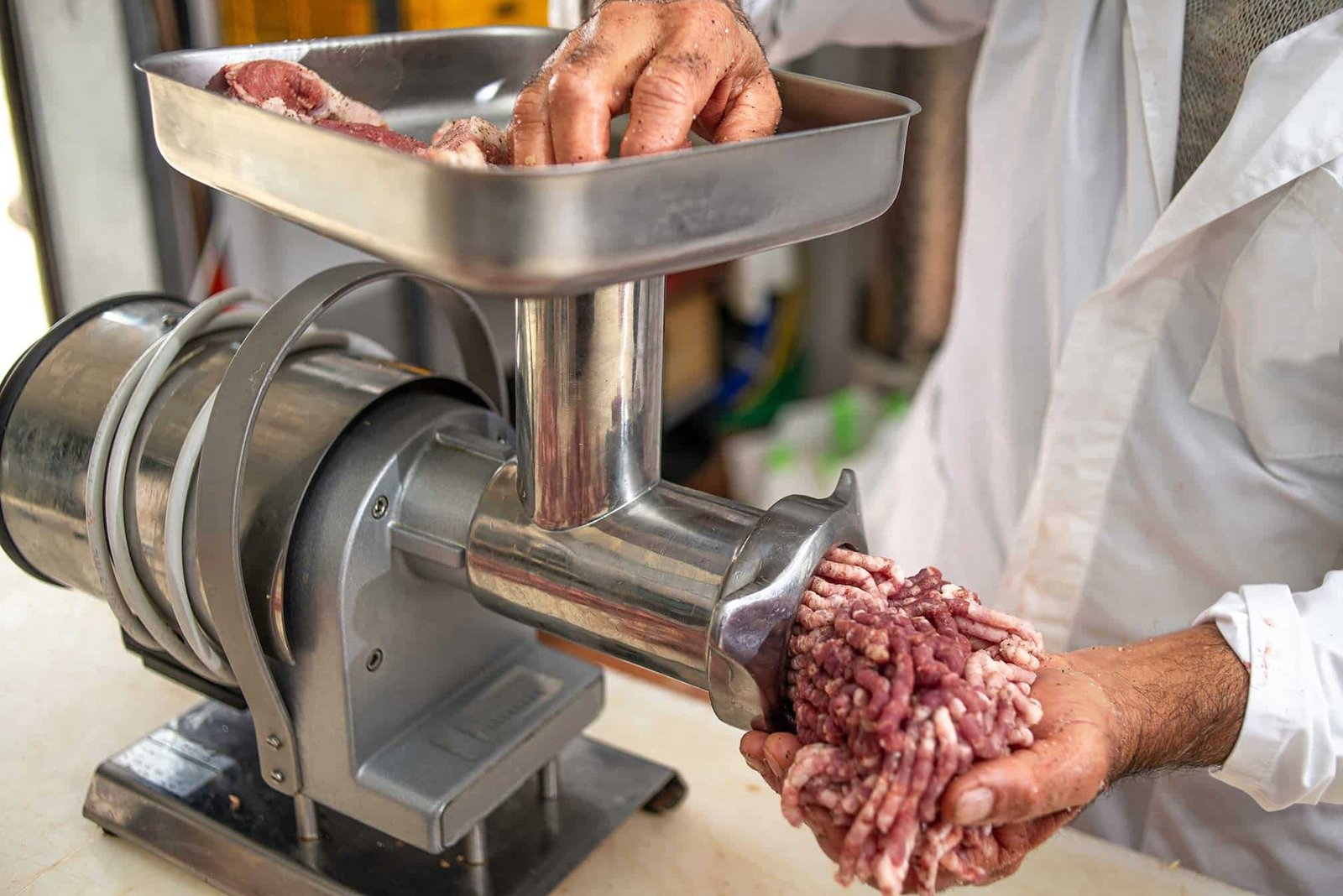
Electric meat grinders prepare meat for sausage making by grinding venison, pork fat, and beef into uniform texture. Essential equipment before stuffing.
Browse quality meat grinders for complete game processing setup.
Choosing the Right Sausage Stuffer
Selecting a sausage stuffer depends on production volume, available space, and budget considerations.
Capacity: Process volume determines ideal cylinder size. 3-5 pound stuffers suit hunters making venison sausage from one or two deer. 7-11 pound models handle larger batches efficiently. 15+ pound stuffers serve high-volume needs.
Construction: Stainless steel cylinders resist corrosion from salt in seasonings. Aluminum models cost less but require more careful maintenance. Plastic components on budget models wear faster under regular use.
Gearing: Quality gear systems provide smooth, consistent pressure without slipping. Metal gears outlast plastic alternatives. Two-speed gearing offers control for different casing types.
Mounting: Vertical stuffers use suction bases or clamp mounts for countertop use. Horizontal models require secure table mounting for leverage. Consider your workspace when selecting stuffer style.
Stuffer vs. Grinder Attachment: Dedicated stuffers provide better pressure control and faster operation than grinder attachments. Grinder attachments work for occasional use but create air pockets and slower stuffing. Serious sausage makers benefit from standalone stuffers.
Sausage Making Process
Successful sausage making requires proper technique and attention to temperature and cleanliness throughout the process.
Meat Preparation: Keep meat and fat cold (34-38°F) during grinding and mixing. Warm meat creates smearing and poor texture. Grind through coarse plate first, then fine plate for uniform consistency.
Fat Content: Add 20-30% fat to lean wild game for moisture and flavor. Pork fat (fatback) is traditional and provides excellent texture. Beef fat works but creates firmer sausage.
Mixing: Combine ground meat, fat, and seasonings thoroughly. Mix until slightly tacky for protein extraction, which binds sausage together. Don’t over-mix as warmth develops and degrades texture.
Casing Preparation: Rinse natural casings thoroughly in lukewarm water. Soak 30 minutes before use to soften and make pliable. Thread entire casing onto stuffing tube before starting.
Stuffing Technique
Proper stuffing technique prevents air pockets and ensures uniform, professional-quality sausages.
Tube Selection: Match tube diameter to casing size. Tube should slide smoothly into casing without stretching. Too large tears casings; too small creates wrinkles.
Casing Control: Hold casing gently against tube end while stuffing begins. Allow meat to fill evenly without forcing. Consistent pressure prevents air pockets and uneven filling.
Air Removal: Release air valve before starting if stuffer includes this feature. Pin prick any air pockets that form during stuffing. Air pockets spoil faster and affect texture.
Linking: Twist links in alternating directions for secure connections. Fresh sausage needs 6-8 twists per link. Refrigerate immediately or hang to dry for smoked varieties.
Maintenance and Cleaning
Proper maintenance extends stuffer life and ensures food safety across processing sessions.
After Each Use: Disassemble completely and wash all components in hot soapy water. Remove all meat and fat residue from cylinder, piston, and tubes. Sanitize with food-safe cleaner.
Gear Lubrication: Apply food-grade lubricant to gears and moving parts after cleaning and drying. Prevents rust and ensures smooth operation. Check manufacturer recommendations for specific products.
Storage: Dry all components thoroughly before storage to prevent rust. Store tubes and smaller parts in sealed bags. Cover cylinder opening to prevent dust accumulation.
O-Ring Care: Inspect O-rings for wear or cracking. Replace damaged O-rings to maintain pressure seal. Light coating of food-grade lubricant prevents drying and cracking.
Wild Game Sausage Making
Wild game sausage requires specific techniques to compensate for lean meat characteristics and strong flavors.
Venison Sausage: Add 20-30% pork fat for moisture. Strong seasonings like garlic, pepper, and sage complement venison’s flavor. Fresh breakfast sausage and summer sausage are popular venison preparations.
Elk and Moose: Milder flavor than venison requires less aggressive seasoning. Italian and bratwurst seasonings work well. Higher fat content (25-30%) needed for these very lean meats.
Wild Boar: Rich flavor similar to pork but leaner. Reduce added fat to 15-20%. Chorizo and Italian seasonings enhance natural taste without overpowering.
Waterfowl: Duck and goose make excellent sausage but require careful fat balance. Remove silver skin thoroughly. Add 30-40% pork fat as waterfowl meat is extremely lean.
Common Sausage Types
Different sausage varieties require specific techniques, casings, and seasonings for authentic results.
Fresh Breakfast Sausage: Coarse grind with sage, pepper, and maple seasonings. Stuff in hog casings for links or bulk package for patties. Cook fresh within 2-3 days or freeze.
Italian Sausage: Fennel, garlic, and red pepper define Italian flavor. Sweet or hot varieties available. Medium grind in hog casings. Excellent for grilling and pasta dishes.
Bratwurst: German-style sausage with mild spices including nutmeg and white pepper. Fine grind creates smooth texture. Traditional beer cooking method adds flavor.
Summer Sausage: Semi-dry sausage requiring curing salt (Prague Powder #1) and slow smoking. Beef casings for large diameter. Tangy flavor from fermentation. Shelf-stable when properly processed.
Snack Sticks: Small diameter sausages in sheep casings or collagen. High seasoning levels and curing salt required. Smoked until firm. Popular for camping trips and portable protein.
Food Safety Considerations
Safe sausage making requires attention to temperature control and proper curing procedures for shelf-stable products.
Temperature Control: Keep meat below 40°F throughout grinding, mixing, and stuffing. Bacteria multiply rapidly above this temperature. Work quickly or process in small batches to maintain cold chain.
Curing Salt: Prague Powder #1 (pink salt) prevents botulism in smoked sausages. Use precise measurements – excess causes health risks. Fresh sausage doesn’t require curing salt but must be refrigerated and cooked thoroughly.
Cooking Temperatures: Fresh sausage requires 160°F internal temperature for pork and 165°F for poultry. Smoked sausage needs proper time and temperature combinations for safety.
Storage: Fresh sausage lasts 1-2 days refrigerated, 1-2 months frozen. Smoked semi-dry sausage keeps 2-3 weeks refrigerated. Fully dried sausage can be shelf-stable depending on moisture reduction.
Essential Sausage Making Accessories
Additional equipment simplifies sausage making and improves results for serious home processors.
Digital Thermometer: Monitors internal temperature during cooking and smoking. Essential for food safety verification. Instant-read models provide quick checks.
Smoker: Electric or propane smokers maintain consistent temperatures for cold and hot smoking. Essential for summer sausage, snack sticks, and traditional smoked varieties.
Vacuum Sealer: Extends frozen storage life of fresh sausage. Prevents freezer burn and oxidation. Portion control for convenient meal planning.
Sausage Pricker: Removes air pockets from stuffed casings. Prevents spoilage and improves appearance. Simple tool makes significant quality difference.
Related Outdoor Equipment
Complete your outdoor gear setup with quality processing equipment for successful hunting seasons.
Browse sporting goods including game processing knives, cutting boards, and preservation supplies.
Explore hunting apparel for comfortable clothing during extended processing sessions.
Frequently Asked Questions
What size sausage stuffer do I need for deer processing?
A 5-7 pound vertical stuffer handles one deer efficiently. 11-15 pound models suit multiple deer or elk. Vertical design provides better control and consistent pressure for home processors making occasional batches.
Is a dedicated sausage stuffer better than a grinder attachment?
Yes, dedicated stuffers provide superior pressure control, faster operation, and fewer air pockets compared to grinder attachments. Grinder attachments work for occasional use but dedicated stuffers produce professional results and process large batches more efficiently.
What type of casing should I use for venison sausage?
Natural hog casings work best for fresh venison breakfast sausage and Italian varieties. Beef casings suit summer sausage. Collagen casings offer convenience and consistency. Match casing diameter to your recipe – 32-35mm for breakfast links, 38-42mm for Italian sausage.
How much fat should I add to venison sausage?
Add 20-30% pork fat to ground venison for proper moisture and texture. Venison is very lean and requires added fat for juicy, flavorful sausage. Pork fatback is traditional and provides excellent results. 25% fat ratio works well for most recipes.
How do I clean a sausage stuffer?
Disassemble completely after each use. Wash all components in hot soapy water, removing all meat and fat residue. Sanitize with food-safe cleaner. Dry thoroughly and apply food-grade lubricant to gears and O-rings. Store in dry location to prevent rust.
Can I make summer sausage without a smoker?
Summer sausage requires smoking for traditional flavor and proper moisture reduction. However, you can make fresh semi-dry sausage by baking at low temperature (170-180°F) until internal temperature reaches 160°F. Results differ from traditional smoked versions but remain safe and tasty.
What’s the difference between vertical and horizontal stuffers?
Vertical stuffers use gravity to assist stuffing, offering easier one-handed operation and consistent pressure. Better for home processors. Horizontal stuffers provide faster operation and larger capacities with better leverage for cranking. Professional butchers prefer horizontal models for high-volume production.
Do I need curing salt for fresh sausage?
Fresh sausage doesn’t require curing salt (Prague Powder #1). Only smoked and semi-dry sausages need curing salt to prevent botulism during slow cooking and drying. Fresh sausage must be refrigerated immediately and cooked to proper internal temperature before eating.