Food dehydrators preserve meat, fruits, vegetables, and herbs by removing moisture while maintaining flavor and nutrients.
Why Use a Food Dehydrator
Dehydrators create lightweight, shelf-stable food perfect for hunting trips, camping adventures, and emergency preparedness.
Weight Reduction: Dehydrated food weighs 70-90% less than fresh equivalents. One pound of fresh venison becomes 3-4 ounces of jerky.
Extended Shelf Life: Properly dried food lasts months without refrigeration. Jerky stores 2-3 months at room temperature, longer when refrigerated or frozen.
Cost Savings: Homemade jerky costs $3-5 per pound compared to $15-25 for commercial products. Dried fruits and vegetables cost pennies per serving.
Customization: Control ingredients, seasonings, and portion sizes. Perfect for dietary restrictions and personal taste preferences.
Top Food Dehydrators
Modern dehydrators offer temperature control, ample capacity, and consistent drying for reliable results.
Cosori Food Dehydrator
Premium stainless steel construction with six trays provides 6.48 square feet of drying space. Digital controls adjust temperature from 95°F to 165°F in precise increments.
Rear-mounted 600-watt fan ensures even drying across all trays. Auto shutoff prevents overheating. Dishwasher-safe components simplify cleanup after processing game or produce.
Nesco Food Dehydrator
Vertical airflow design with bottom-mounted 1000-watt fan dries food efficiently. Expandable system accepts additional trays for large batches during harvest season.
Adjustable thermostat ranges 95°F to 160°F. Simple operation requires only power switch and temperature dial. Ideal for hunters processing multiple deer annually.
Excalibur Dehydrator
Professional-grade unit features nine square trays with 15 square feet of drying capacity. Horizontal airflow delivers consistent results across all racks simultaneously.
Temperature ranges 105°F to 165°F accommodate delicate herbs through thick jerky strips. Heavy-duty construction withstands frequent commercial or home use.
Presto Dehydrator
Budget-friendly electric dehydrator operates at preset 165°F temperature optimal for jerky. Four expandable trays accommodate up to eight with additional purchases.
Top-mounted fan circulates air efficiently. Simple plug-and-go operation requires no programming. Compact design stores easily between camping trips.
LEM Food Dehydrator
Commercial-quality stainless steel dehydrator designed specifically for wild game processing. Ten metal trays handle large venison batches from successful hunts.
Digital controls adjust 90°F to 155°F with timer function. Three quick-set buttons simplify repeated jerky making. Dishwasher-safe trays recommended for hand washing to preserve finish.
Magic Mill Dehydrator
Seven-tray dehydrator features transparent door for monitoring progress without temperature loss. Adjustable temperature 95°F to 167°F handles all food types safely.
Rear-mounted fan distributes heat evenly. Digital timer programs up to 48 hours for thick cuts or large batches. BPA-free construction ensures food safety.
Choosing the Right Dehydrator
Selecting a dehydrator depends on processing volume, food types, and available storage space.
Airflow Design
Horizontal Airflow: Fan mounted on back or side pushes air across trays simultaneously. Provides most even drying. Box-shaped units like Excalibur and Cosori models use this design.
Vertical Airflow: Bottom or top-mounted fan circulates air up or down through stacked trays. Round units like Nesco models expand with additional trays. Trays closer to fan dry faster, requiring rotation.
Temperature Control
Fixed Temperature: Preset at optimal 165°F for jerky. Simple operation without adjustment options. Budget-friendly for single-purpose use.
Adjustable Thermostat: Dial or digital controls set specific temperatures. Essential for drying different foods at recommended temperatures. Herbs need 95°F-115°F, jerky requires 160°F-165°F.
Capacity Considerations
Tray Space: Measure in square feet of drying area. Five pounds of sliced venison requires approximately 6-8 square feet.
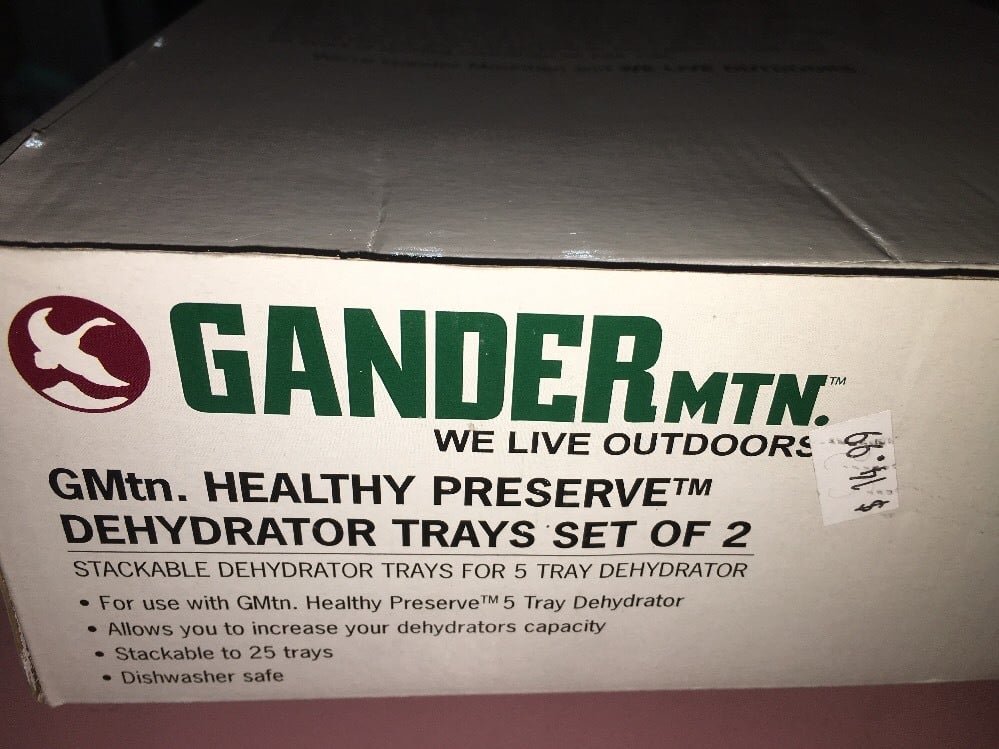
Expandability: Some models accept additional trays. Useful for processing entire deer or large garden harvests.
Tray Material: Plastic trays cost less but may warp over time. Stainless steel lasts longer and cleans easier.
Power Matters: Wattage indicates heating power and drying speed. 400-600 watts suits home use. 1000+ watts handles commercial-scale batches. Higher wattage reduces total drying time but increases electricity consumption.
Making Venison Jerky
Jerky transforms lean venison into portable protein perfect for hiking and hunting excursions.
Preparing Venison
Meat Selection: Use lean cuts like hindquarters or backstrap. Remove all visible fat and silver skin. Fat prevents proper drying and turns rancid during storage.
Slicing Technique: Partially freeze meat 1-2 hours for easier slicing. Cut strips ¼-inch thick. Slice against grain for tender jerky, with grain for chewier texture.
Food Safety: USDA recommends heating meat to 160°F before or during dehydrating to destroy harmful bacteria. Use dehydrator reaching 160°F-165°F or pre-cook strips in oven at 275°F for 10 minutes.
Marinade Basics
Marinades add flavor and help tenderize meat through acidic components like soy sauce, Worcestershire sauce, or vinegar.
Simple Marinade: ¾ cup soy sauce, 2 tablespoons Worcestershire sauce, 1 tablespoon brown sugar, 1 teaspoon liquid smoke, ½ teaspoon each garlic powder, black pepper, and salt.
Marinating Time: Minimum 1 hour, optimal 6-24 hours refrigerated. Longer marinating intensifies flavor penetration.
Drying Process
Arrange strips on dehydrator trays without overlapping. Space between pieces ensures airflow for even drying.
Temperature: Start at 165°F for 2-3 hours to reach safe internal temperature. Lower to 145°F to finish drying without over-cooking.
Drying Time: 4-8 hours depending on thickness and dehydrator efficiency. Check after 4 hours. Finished jerky bends without breaking but shows white stress marks when bent.
Testing Doneness: Jerky should be firm and leathery, not brittle. Snapping in half indicates over-drying. Slight flexibility maintains proper texture.
Dehydrating Fruits and Vegetables
Dried produce creates healthy snacks and lightweight camping food without preservatives.
Fruit Preparation
Apples: Core and slice ⅛-inch thick. Dip in lemon juice to prevent browning. Dry at 135°F for 6-12 hours until leathery.
Bananas: Slice ¼-inch thick. Dry at 135°F for 6-10 hours. Chips become crispy, thicker slices stay chewy.
Strawberries: Halve or quarter depending on size. Dry at 135°F for 8-12 hours. Finished product reduces to fraction of original size.
Pineapple: Cut into ⅛-inch slices or chunks. Dry at 135°F for 10-14 hours. Natural sugars concentrate during drying.
Vegetable Processing
Blanching: Steam or boil vegetables briefly before dehydrating. Preserves color, flavor, and texture. Exceptions include mushrooms, onions, and tomatoes.
Tomatoes: Slice ¼-inch thick or halve cherry tomatoes. Dry at 135°F-145°F for 8-14 hours. Finished product ranges from leathery to crispy depending on preference.
Mushrooms: Clean and slice ¼-inch thick. No blanching required. Dry at 125°F for 4-6 hours until brittle.
Peppers: Remove seeds and slice. Dry at 125°F-135°F for 6-12 hours. Hot peppers dry faster than thick-walled bell peppers.
Backpacking Meals
Weight Savings: Dehydrated meals weigh 70-80% less than fresh equivalents. One pound of cooked pasta becomes 3-4 ounces dried.
Quick Cooking: Most dehydrated meals rehydrate in 10-15 minutes with boiling water. No simmering required, saving fuel and time at camp.
Complete your outdoor gear with lightweight nutrition solutions.
Game Processing
Preserve Your Harvest: Process entire deer into jerky for long-term storage without freezer space. 100 pounds of venison yields 20-30 pounds of jerky.
Ground Meat Jerky: Use jerky gun with ground venison mixed 90/10 with fat. Simpler than slicing whole muscle, perfect for trim meat.
Browse meat grinders for complete game processing setup.
Herb Preservation
Garden Harvest: Dry herbs from summer garden for year-round use. Maintains flavor better than store-bought dried herbs.
Low Temperature: Herbs require gentle 95°F-115°F to preserve essential oils. Higher temperatures cook away volatile compounds.
Store dried herbs in airtight containers away from light and heat for maximum shelf life.
Dehydrator Maintenance
Proper care extends equipment life and ensures food safety.
After Each Use: Wash trays, screens, and removable parts in hot soapy water. Most plastic and stainless steel components tolerate dishwasher cleaning.
Interior Cleaning: Wipe interior walls with damp cloth. Avoid harsh chemicals that might contaminate future batches. Vinegar solution removes stubborn residue.
Fan Care: Vacuum fan area periodically to remove accumulated dust and food particles. Blocked airflow reduces efficiency.
Storage: Store dehydrator in dry location. Stack trays carefully to prevent warping. Cover unit to protect from dust accumulation.
Storing Dehydrated Foods
Proper storage prevents moisture reabsorption and maintains quality.
Conditioning: After drying, place food in sealed containers for 7-10 days. Shake daily to redistribute any remaining moisture. Return to dehydrator if condensation appears.
Container Options: Glass jars with tight lids, vacuum-sealed bags, or mylar bags with oxygen absorbers extend shelf life significantly.
Storage Environment: Cool, dark, dry locations preserve quality longest. Pantry or basement typically suitable. Avoid areas with temperature fluctuations.
Shelf Life: Most dehydrated foods last 6-12 months at room temperature. Vacuum sealing or freezing extends to 1-2 years. Check periodically for signs of moisture or spoilage.
Rehydrating Foods
Restoration process brings dried foods back to usable consistency for meals.
Water Ratio: Most foods require approximately 1:1 ratio of dried food to water. Denser items like beans need more water.
Hot vs. Cold Water: Boiling water rehydrates fastest, typically 10-20 minutes. Cold water works but requires 30-60 minutes or longer.
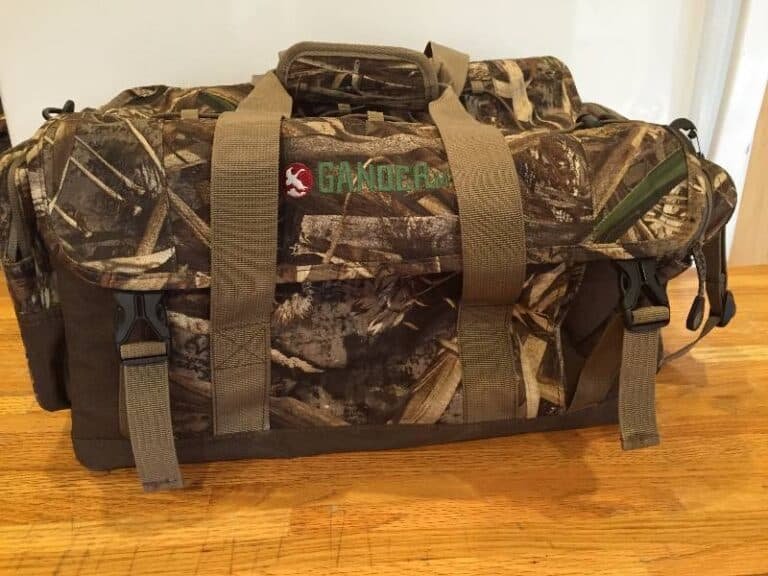
Trail Method: Add dried meal ingredients to container or bag. Pour boiling water over contents, seal, and insulate in pot cozy or wrap in jacket for 10-15 minutes to maintain heat. Pack meals in your duffel bag for easy organization on extended trips.
Cooking Integration: Add dried vegetables directly to soups and stews during cooking. They rehydrate while simmering, requiring no separate preparation.
Dehydrating for Emergency Preparedness
Stockpiling dehydrated foods provides reliable nutrition during power outages, natural disasters, or supply disruptions.
Meal Planning: Process seasonal produce at peak freshness and lowest cost. Tomatoes in late summer, apples in fall, squash in autumn.
Protein Sources: Dehydrate cooked ground beef, chicken, turkey for shelf-stable meat. Pre-cook thoroughly, drain all fat, rinse with hot water, then dehydrate.
Complete Meals: Prepare and dehydrate favorite recipes like chili, pasta sauce, soup bases. Add dry pasta, rice, or instant potatoes when serving.
Rotation System: Date all containers and use oldest items first. Replace consumed items to maintain fresh supply. Most home-dehydrated foods peak quality within first year.
Related Outdoor Equipment
Complete your hunting and outdoor setup with quality equipment for field processing and meal preparation.
Browse camping gear including cookware, storage containers, and portable stoves for preparing dehydrated meals on the trail.
Explore outdoor apparel for comfortable clothing during extended food preparation sessions and outdoor adventures.
Frequently Asked Questions
What temperature should I use for making jerky?
Set dehydrator to 160°F-165°F for first 2-3 hours to reach safe internal temperature, then lower to 145°F-150°F to finish drying. Total time ranges 4-8 hours depending on meat thickness and desired texture. Jerky should bend without breaking when done.
How long does dehydrated food last?
Properly dried and stored foods last 6-12 months at room temperature in airtight containers. Vacuum sealing extends shelf life to 1-2 years. Frozen dehydrated foods maintain quality 2-5 years. Check periodically for moisture, mold, or rancid odors.
Can I dehydrate raw meat without cooking first?
USDA recommends heating meat to 160°F internal temperature before or during dehydrating to destroy harmful bacteria. Use dehydrator capable of reaching 165°F or pre-cook meat strips in oven at 275°F for 10 minutes before dehydrating at lower temperature.
What foods should not be dehydrated?
Avoid dehydrating high-fat foods like avocados, fatty meats, butter, or nuts with oils. Fat turns rancid during storage. Also skip dairy products, eggs, and mayonnaise-based items. These require freeze-drying for safe preservation. Stick to lean proteins, fruits, vegetables, and herbs.
How do I know when food is completely dried?
Fruits should feel leathery and pliable without moisture when squeezed. Vegetables become brittle and snap easily. Jerky bends without breaking but shows white stress marks. No moisture droplets should appear when food is squeezed in sealed bag overnight.
What size dehydrator do I need for deer processing?
Five to nine tray dehydrator with 8-15 square feet of capacity handles most deer jerky batches efficiently. Process hindquarters in 2-3 batches. Larger units with 10+ trays expedite processing but require more counter or storage space.
Can I use my oven instead of buying a dehydrator?
Ovens work for occasional dehydrating but consume more energy and lack precise low-temperature control. Set oven to lowest setting (usually 170°F-200°F) and prop door open slightly. Drying times extend compared to dedicated dehydrators. Frequent batches justify dehydrator investment.
How much does homemade jerky cost compared to store-bought?
Homemade venison jerky costs $3-5 per pound including marinade ingredients. Commercial jerky ranges $15-30 per pound. Processing one deer yields 15-25 pounds of jerky, saving $200-500 compared to retail prices while ensuring quality ingredients and preferred seasonings.