Gander Mountain boots were known for quality construction and reliable performance in outdoor conditions, particularly their hunting and hiking boot lines.
Explore top-rated hunting boots, hiking boots, and insulated boots for various outdoor activities and weather conditions.
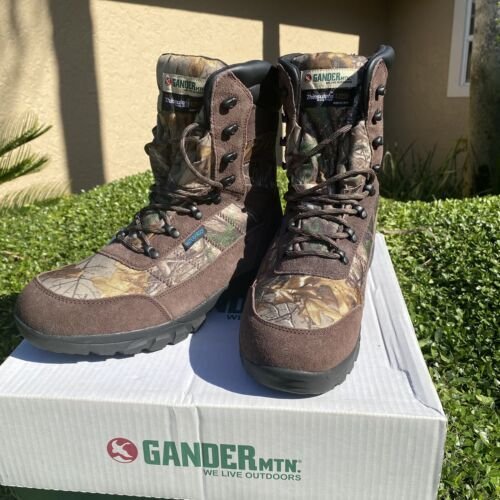
Types of Outdoor Boots
Different outdoor activities require specific boot features for optimal performance and comfort.
Hunting Boots
Best For: Stand hunting, spot-and-stalk, and backcountry hunting
Temperature Range: -40°F to 60°F depending on insulation
Waterproof construction keeps feet dry in wet conditions. Insulation options from 200g to 1600g for different climates. Scent-blocking technology reduces human odor. Rubber soles provide traction on varied terrain.
Hiking Boots
Best For: Day hikes, backpacking, and trail walking
Weight: 1-2 pounds per boot for optimal balance
Ankle support prevents injuries on uneven terrain. Breathable waterproof membranes manage moisture. Vibram or similar outsoles grip rocks, mud, and loose soil. Cushioned midsoles reduce fatigue on long hikes.
Insulated Winter Boots
Best For: Ice fishing, winter hunting, and cold weather work
Insulation: 400g-2000g Thinsulate or similar
Heavy insulation maintains warmth in extreme cold. Removable liners allow customization for temperature. Aggressive treads prevent slipping on ice and snow. Tall shafts protect against deep snow.
Work Boots
Best For: Construction, outdoor labor, and rugged conditions
Features: Steel toe, electrical hazard protection, slip resistance
Durable leather construction withstands daily wear. Safety toe caps protect from falling objects. Oil and slip-resistant soles prevent workplace accidents. Cushioned insoles reduce standing fatigue.
Top Hunting and Hiking Boots
Modern outdoor boots combine proven technologies with quality materials for reliable performance.
Irish Setter Wingshooter Boots
Waterproof full-grain leather construction handles wet conditions. 800-1000g Thinsulate insulation for cold weather hunting. CuShin tongue technology eliminates lace pressure.
UltraDry waterproofing keeps feet dry in streams and marshes. Shock-absorbing midsole reduces fatigue during long hunts. Available in sizes 7-15 including wide widths.
Rocky Bearclaw 3D Boots
1000g Thinsulate Ultra Insulation for temperatures to -40°F. Waterproof full-grain leather and 900 denier nylon construction. Multi-directional traction outsole grips varied terrain.
Rocky Waterproof technology with guaranteed dry interior. Adjustable side lacing system ensures secure fit. Ideal for stand hunting and cold weather pursuits.
Danner Pronghorn Hunting Boots
Full-grain leather uppers with 1000 denier nylon. 400g or 800g Thinsulate options for different climates. Terra Force platform provides stability and support.
100% waterproof GORE-TEX liner maintains breathability. Vibram outsoles deliver excellent traction. Handcrafted in USA with recraftable construction for long-term durability.
Merrell Moab 2 Hiking Boots
Waterproof membrane seals out moisture while allowing breathability. Vibram TC5+ outsole provides traction on wet and dry surfaces. Air cushion in heel absorbs shock.
Bellows tongue keeps debris out during trail hiking. Protective rubber toe cap shields against rocks. Available in regular and wide widths for proper fit.
LaCrosse Alphaburly Pro Boots
1600g Thinsulate Ultra Insulation for extreme cold conditions. 100% waterproof rubber construction stands up to water and mud. Neoprene upper provides flexibility and comfort.
18-inch height protects in deep snow and wet terrain. Adjustable back gusset ensures secure fit on different calf sizes. Ideal for ice fishing and winter hunting.
Salomon Quest 4D GTX Boots
GORE-TEX waterproof breathable membrane manages moisture effectively. 4D Advanced Chassis provides stability without restricting movement. Contragrip outsoles grip technical terrain.
High-cut design supports ankles during backpacking. Ortholite insole with EVA cushioning reduces fatigue. Protective rubber toe and heel caps increase durability.
Choosing the Right Boot Insulation
Insulation ratings determine comfort in different temperature ranges. Match insulation to activity level and weather conditions.
200g Insulation
Best for: Active hunting, moderate activity in cool weather (30-50°F). Ideal for early season hunting with lots of walking.
400g Insulation
Best for: Versatile use in cold weather (15-40°F). Good for moderate activity hunting and general outdoor work.
800g Insulation
Best for: Stand hunting, minimal movement in cold weather (0-30°F). Popular choice for deer hunting from tree stands.
1000-1200g Insulation
Best for: Very cold conditions with little activity (-10 to 20°F). Ice fishing and stationary hunting in winter.
1600-2000g Insulation
Best for: Extreme cold and extended stationary periods (-40 to 0°F). Professional use in arctic conditions.
Activity Level Matters: Higher activity generates more body heat. Choose lighter insulation for active hunting and hiking. Select heavier insulation for stand hunting and stationary activities in cold weather.
Boot Features That Matter
Quality outdoor boots incorporate technologies that enhance performance and durability.
Waterproofing Technologies
GORE-TEX membranes provide reliable waterproofing with breathability. Full rubber construction offers absolute water protection but less breathability.
Waterproof leather treatment maintains protection on traditional boots. Sealed seams prevent water entry at stitching points.
Sole Construction
Vibram outsoles deliver proven traction on varied terrain. Aggressive lug patterns grip mud, snow, and wet surfaces effectively.
Rubber compounds maintain flexibility in cold weather. EVA midsoles cushion feet and reduce fatigue during long days outdoors.
Support and Stability
Shank systems provide arch support and prevent boot flex. Ankle height varies from low-cut for day hiking to tall for deep snow.
Heel counters prevent ankle rolling on uneven ground. Cushioned collars reduce chafing during extended wear.
Scent Control
Activated carbon linings absorb human odor in hunting boots. Antimicrobial treatments prevent bacteria growth and odor.
Removable insoles allow separate washing and drying. Rubber boots naturally contain scent better than leather construction.
Boot Sizing and Fit
Proper boot fit prevents blisters and ensures comfort during outdoor activities.
Sizing Up: Consider wearing thick socks with winter boots. Allow room for toe movement when going downhill.
Width Options: Wide and extra-wide sizes accommodate different foot shapes. Narrow feet benefit from lacing techniques that tighten fit.
Break-In Period: Leather boots require 10-20 hours of wear before full comfort. Synthetic boots often need less break-in time.
Trying On: Wear appropriate socks when testing boots. Walk on inclines to check heel slip and toe room.
Sizing Tip: Try boots in the afternoon when feet are slightly swollen. This ensures adequate room during long outdoor activities when feet naturally expand.
Boot Care and Maintenance
Proper maintenance extends boot life and maintains waterproofing performance.
After Each Use: Remove dirt and debris with soft brush or damp cloth. Allow boots to dry naturally away from direct heat.
Leather Treatment: Apply leather conditioner every 15-20 wears to prevent cracking. Waterproofing treatments restore water resistance on leather boots.
Storage: Store in cool, dry location away from direct sunlight. Use boot trees or crumpled newspaper to maintain shape.
Insole Care: Remove and air-dry insoles after each use. Replace worn insoles to maintain cushioning and support.
Lace Replacement: Replace frayed or damaged laces to ensure secure fit. Keep spare laces in hunting gear pack.
Matching Boots to Outdoor Activities
Different outdoor pursuits require specific boot characteristics for optimal performance.
Deer Hunting from Stands
800-1200g insulation for cold weather sits. Rubber boots contain scent and handle wet ground. Tall shafts protect legs in underbrush.
Backcountry Hunting
Lightweight construction reduces fatigue on long hikes. 200-400g insulation for active movement. Ankle support prevents injuries with heavy packs.
Waterfowl Hunting
Neoprene boots provide insulation and waterproofing. Aggressive tread grips muddy shorelines. Tall heights protect in marsh environments.
Day Hiking
Mid-cut boots balance support and weight. Breathable membranes manage moisture on warm days. Moderate cushioning handles varied terrain.
Backpacking
High-cut boots support ankles under pack weight. Durable construction withstands extended use. Quality footbeds reduce fatigue over multiple days.
Top Boot Brands for Outdoor Use
Established manufacturers produce reliable boots designed for specific outdoor activities.
Irish Setter: Red Wing Shoes division specializing in hunting boots. Known for waterproofing and insulation options. Made in USA with quality leather construction.
Rocky: Offers wide range of hunting and work boots. Innovative technologies like Bearclaw 3D design. Strong warranty coverage and customer service.
Danner: Premium construction with recraftable designs. Made in USA Portland facility. GORE-TEX waterproofing and Vibram outsoles standard.
Merrell: Focus on hiking and outdoor recreation boots. Excellent cushioning and support systems. Wide range of widths and sizes available.
LaCrosse: Rubber hunting boot specialists. Extreme insulation options to 2000g. Scent-blocking technologies for serious hunters.
Salomon: Technical hiking boots for demanding terrain. Lightweight designs with strong support. Advanced traction systems for varied conditions.
Boot Accessories and Extras
Accessories enhance boot performance and extend their useful life.
Boot Dryers: Electric dryers speed drying and prevent odor. Maintain boot shape while removing moisture efficiently.
Gaiters: Keep snow, mud, and debris out of boots. Essential for deep snow hunting and wet conditions.
Replacement Insoles: Aftermarket insoles improve cushioning and arch support. Custom orthotic insoles accommodate specific foot needs.
Waterproofing Sprays: Restore water repellency on leather and fabric boots. Apply regularly to maintain protection.
Boot Socks: Merino wool regulates temperature and manages moisture. Cushioned hunting socks reduce fatigue and prevent blisters.
Cold Weather Boot Strategies
Managing foot warmth in cold conditions requires understanding insulation and layering.
Vapor Barrier Liners: Thin plastic liners trap foot moisture and maintain insulation effectiveness. Controversial but effective in extreme cold.
Sock Layering: Thin liner sock plus cushioned outer sock provides warmth and moisture management. Avoid overly thick socks that restrict circulation.
Chemical Warmers: Disposable toe warmers add supplemental heat. Place above toes, not directly against skin.
Boot Selection: Choose boots with adequate room when wearing thick socks. Tight boots restrict blood flow and cause cold feet.
Related Outdoor Gear
Complete your hunting gear setup with quality boots designed for your specific outdoor activities and climate conditions.
Browse outdoor apparel including base layers, jackets, and pants to complement your boot selection.
Explore hiking gear for complete backcountry and trail equipment from trusted brands.
Find camping equipment for overnight trips and extended outdoor adventures.
Shop outdoor equipment for all your hunting, fishing, and recreation needs.
Frequently Asked Questions
What insulation do I need for deer hunting boots?
800g insulation works well for stand hunting in temperatures from 0-30°F. Choose 400g for active hunting with lots of walking in 15-40°F weather. Increase to 1000-1200g for extended sits in extreme cold below 0°F or ice fishing conditions.
How do I choose between rubber and leather hunting boots?
Rubber boots excel in wet conditions and scent control, ideal for waterfowl hunting and swampy terrain. Leather boots provide better breathability and ankle support for backcountry hunting and varied terrain. Consider hybrid boots with rubber lowers and leather uppers for versatile use.
Are expensive hunting boots worth the investment?
Quality boots from brands like Danner, Irish Setter, and Rocky last 5-10 years with proper care compared to 1-2 years for budget options. Better waterproofing, insulation, and construction prevent wet feet and blisters. Recraftable boots can be resoled, extending life significantly.
How should hunting boots fit?
Allow thumb width of space between longest toe and boot end when standing. Heel should stay in place when walking. Toes should wiggle freely but not slide forward on downhill slopes. Try boots with appropriate sock thickness and in afternoon when feet are slightly swollen.
Can I use hiking boots for hunting?
Hiking boots work for spot-and-stalk and backcountry hunting where mobility matters. They lack scent control and often have brighter colors than hunting-specific boots. Choose earth-tone hiking boots and add scent control products for hunting use. Insulation may be insufficient for stand hunting in cold weather.
How do I break in new hunting boots?
Wear boots around house for 30-60 minutes daily for one week. Gradually increase to short walks, then longer hikes. Apply leather conditioner to soften leather uppers. Address hot spots with moleskin before blisters form. Allow 10-20 hours of wear before serious hunting trips.
What causes cold feet in insulated boots?
Boots too tight restrict blood circulation, causing cold feet regardless of insulation. Damp socks reduce insulation effectiveness dramatically. Inactive periods allow feet to cool despite adequate insulation. Choose proper insulation for activity level and ensure adequate boot room for thick socks.
How often should I replace hunting boots?
Replace boots when waterproofing fails consistently despite retreatment, soles separate or lose tread, or insulation becomes compressed and ineffective. Quality boots last 5-10 years with 20-40 days annual use. Budget boots typically last 1-2 seasons before requiring replacement.