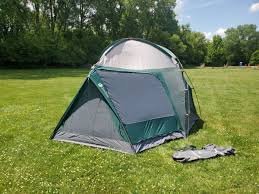
Gander Mountain offered reliable camping tents designed for outdoor enthusiasts, hunters, and family campers seeking quality shelter at reasonable prices.
Quality camping tents provide weather protection and comfortable shelter for outdoor adventures ranging from weekend car camping to extended backpacking trips.
Types of Camping Tents
Different tent styles serve specific camping needs from backpacking to car camping and family adventures.
Dome Tents
Best For: Car camping, family camping, weekend trips
Capacity: 2-8 person models available
Freestanding design with crisscross pole structure offers excellent stability in wind. Easy setup makes dome tents popular for casual campers and families. Spacious interiors provide comfortable headroom and storage space.
Backpacking Tents
Best For: Hiking, backpacking, ultralight camping
Weight: 2-4 pounds for 1-2 person models
Lightweight construction minimizes pack weight without sacrificing weather protection. Compact packed size fits easily in backpacks. Designed for serious hikers covering miles on trail.
Cabin Tents
Best For: Extended camping, large groups, comfort
Features: Vertical walls, room dividers, tall ceilings
Maximum interior space with near-vertical walls allows standing room throughout. Multiple rooms separate sleeping areas for privacy. Perfect for family camping trips lasting several days.
4-Season Tents
Best For: Winter camping, mountaineering, harsh weather
Construction: Heavy-duty poles, reinforced fabric
Built to withstand snow loads and extreme wind conditions. Additional poles and guy lines provide superior stability. Minimal mesh ventilation retains heat in cold conditions.
Top Camping Tents
Modern camping tents combine durability, weather protection, and user-friendly features for comfortable outdoor shelter.
Coleman Sundome Tents
Available in 2, 3, 4, and 6-person sizes, Coleman Sundome tents offer reliable weather protection at budget-friendly prices. WeatherTec system includes welded floors and inverted seams to keep water out.
Easy setup with snag-free poles and continuous pole sleeves takes just 10 minutes. Ground vents and large windows provide excellent airflow for comfort in warm weather.
REI Co-op Half Dome
Backpacker favorite combining light weight with livable space. Two doors and two vestibules provide convenient access and gear storage. Color-coded poles simplify setup even in low light.
Durable materials handle seasons of trail use. Pre-bent poles maximize interior headroom. Available in 2-person and 3-person versions for solo hikers and couples.
Big Agnes Copper Spur
Ultralight backpacking tent weighs under 3 pounds for 2-person model. High-volume pole architecture creates vertical walls for maximum usable space. Dual vestibules store packs and boots securely.
Premium materials include DAC Featherlite poles and silicone-treated nylon. Media pockets and interior loops add convenience. Three-season protection handles most conditions backpackers encounter.
CORE 9-Person Instant Cabin
Sets up in 60 seconds with pre-attached poles that unfold and lock into place. Perfect for families wanting quick camp setup after long drives. Room divider creates two separate spaces for privacy.
Center height reaches 78 inches allowing most adults to stand comfortably. Advanced venting system with adjustable ground vent maximizes airflow. H20 Block Technology resists water in heavy rain.
MSR Hubba Hubba NX
Award-winning backpacking tent balances weight and livability expertly. Unified hub-and-pole system simplifies setup. Xtreme Shield waterproof coating handles sustained rainfall without leaking.
Large trapezoidal vestibules provide protected storage space. Interior pockets and gear loft organize essentials efficiently. Reflective points help locate tent in darkness with headlamp.
Kelty Late Start Tents
Affordable option for new campers and budget-conscious families. Simple two-pole design makes setup straightforward for beginners. Available in 1, 2, and 4-person sizes matching different group sizes.
Durable 68D polyester fabric resists tears and abrasion. Full-coverage rainfly extends over doors providing dry entry area. Mesh roof panels offer stargazing opportunities on clear nights.
Tent Features to Consider
Selecting the right tent requires evaluating features that match your camping style and conditions.
Capacity: Manufacturers rate tents by person count assuming minimal gear inside. Add one person to manufacturer rating for comfortable space with gear. Four-person tents comfortably sleep three adults with packs.
Seasonality: Three-season tents handle spring through fall camping in moderate climates. Four-season tents withstand winter conditions and heavy snow. Extended-season tents bridge the gap with reinforced construction.
Setup Method: Traditional tents require threading poles through sleeves. Clip-style tents attach faster with plastic clips. Instant tents use pre-attached poles unfolding in minutes.
Waterproofing: Polyurethane coating on floor and rainfly prevents water intrusion. Higher numbers (2000mm+) indicate better water resistance. Taped seams eliminate potential leak points.
Peak Height: Measured at center point determines whether adults can stand inside comfortably. Cabin tents typically offer 6+ feet of headroom. Backpacking tents prioritize weight savings over standing height.
Setting Up Your Tent Properly
Proper tent setup improves weather protection and extends tent lifespan significantly.
Site Selection: Choose level ground free of rocks, sticks, and debris that could damage floor. Avoid low spots where water collects during rain. Position doors away from prevailing wind direction.
Footprint Use: Ground cloths protect tent floors from abrasion and moisture. Custom footprints sized specifically for your tent work best. Tuck edges under tent preventing water from channeling underneath.
Stake Placement: Drive stakes at 45-degree angles away from tent for maximum holding power. Stake all corners first establishing tent shape. Add remaining stakes working around perimeter.
Guy Lines: Attach guy lines during setup even in calm conditions. Weather changes quickly outdoors. Proper tension prevents fabric flapping that causes wear and noise.
Rainfly Positioning: Ensure rainfly covers entire tent with no gaps at edges. Stake fly separate from tent body creating airspace. Proper ventilation reduces interior condensation dramatically.
Tent Maintenance and Care
Regular maintenance extends tent life and maintains weather protection between camping trips.
Cleaning: Brush off dirt and debris after each trip. Spot clean stains with mild soap and water. Never machine wash tents as agitation damages waterproof coatings.
Drying: Always dry tents completely before storage. Set up fully or hang in garage allowing all surfaces to air dry. Storing damp tents encourages mold growth and fabric deterioration.
Storage: Store loosely in breathable bag rather than tight stuff sack. Compression stresses coated fabrics over time. Keep in cool, dry location away from direct sunlight and heat sources.
Seam Sealing: Inspect seams annually for wear. Apply seam sealer to any areas showing separation or leaking. Two thin coats work better than one thick application.
Pole Care: Clean pole sections removing dirt from connections. Check shock cord tension and replace if loose. Apply silicone lubricant to pole connections preventing binding.
Camping Gear Essentials
Complete your camping gear setup with quality equipment for comfortable outdoor adventures.
Browse hiking gear including backpacks, trekking poles, and navigation tools for trail adventures.
Sleeping Systems: Quality sleeping bags and pads ensure restful nights outdoors. Match temperature ratings to expected conditions. Insulated pads prevent ground cold from draining body heat.
Camp Kitchen: Portable stoves, cookware, and utensils enable hot meals at camp. Two-burner stoves accommodate larger groups. Backpacking stoves prioritize weight savings for trail use.
Lighting: Headlamps provide hands-free task lighting. Lanterns illuminate larger areas for group activities. LED technology offers long battery life and brightness.
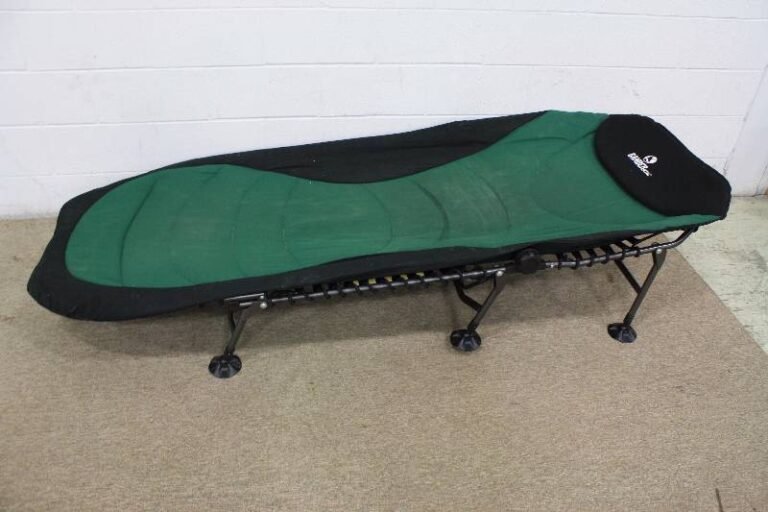
Camp Furniture: Folding chairs and tables add comfort to campsite living. Look for compact designs that pack easily. Durable construction withstands seasons of outdoor use.
Weather Protection Strategies
Understanding weather patterns and tent capabilities keeps campers comfortable in changing conditions.
Rain Preparation: Dig shallow trenches around tent directing water away from walls. Keep all gear inside tent or under rainfly. Close all mesh panels when rain approaches.
Wind Management: Orient tent entrance perpendicular to wind direction. Use all available stakes and guy lines. Move camp to more sheltered location if conditions worsen.
Cold Weather: Minimize mesh openings retaining warm air inside. Use four-season tents in winter conditions. Insulated sleeping pads prevent heat loss through ground contact.
Hot Weather: Maximize ventilation opening all mesh panels. Position tent in shade when possible. Remove rainfly during clear weather improving airflow significantly.
Tent Weight Considerations
Tent weight significantly impacts backpacking comfort but matters less for car camping scenarios.
Backpacking: Ultralight tents under 3 pounds for two-person models reduce pack weight substantially. Divide tent components between hiking partners sharing load. Every ounce matters on long-distance trails.
Car Camping: Weight restrictions disappear when vehicles carry gear. Prioritize comfort and space over weight savings. Larger cabin tents improve quality of life at established campgrounds.
Material Impact: Silicone-coated nylon weighs less than polyester but costs more. Aluminum poles save weight versus fiberglass. Carbon fiber poles offer premium weight savings.
Design Tradeoffs: Single-wall tents eliminate inner tent saving weight but increase condensation. Trekking pole-supported shelters reduce carried weight using hiking poles for structure.
Popular Camping Locations
Different camping environments require specific tent features and setup considerations.
National Parks: Established campgrounds offer level tent pads and amenities. Larger tents work well without weight restrictions. Reserve popular sites months ahead during peak season.
Dispersed Camping: Backcountry sites require self-contained setups. Bring all necessary supplies including water filtration. Leave no trace principles apply strictly.
Beach Camping: Sand stakes hold better than regular stakes in soft ground. Bring extra stakes and longer guy lines for wind protection. Shake out sand before packing tent.
Mountain Camping: Expect temperature drops and changing weather. Choose four-season or extended-season tents. Rocky ground makes freestanding tents advantageous.
Budget-Friendly Tent Options
Quality camping tents don’t require premium prices for occasional recreational use.
Coleman: Trusted brand offering reliable tents at accessible prices. Sundome and Carlsbad models deliver value for family camping. WeatherTec system provides adequate weather protection.
Kelty: Mid-range pricing with solid construction and features. Late Start series suits beginning campers perfectly. Discovery line offers affordable backpacking options.
CORE: Specializes in instant setup tents for convenience. 9-person and 12-person cabin tents accommodate large groups. Value pricing makes family camping affordable.
Used Equipment: Gently used tents from reputable brands save money. Inspect carefully for damage, leaks, and worn zippers. Clean thoroughly before first use.
Related Outdoor Equipment
Explore outdoor apparel including jackets, base layers, and rain gear for all-weather comfort.
Discover sporting goods for hunting, fishing, and outdoor recreation activities.
Find outdoor equipment from trusted brands designed for camping and outdoor adventures.
Frequently Asked Questions
What size tent do I need for my family?
Add one person to manufacturer ratings for comfortable space with gear. A family of four should consider 5-6 person tents. Larger tents improve comfort during extended trips when spending more time inside during weather.
How do I waterproof my camping tent?
Apply seam sealer to all stitched seams on rainfly and tent floor. Recoat fabric with waterproofing treatment when water stops beading on surface. Use tent footprint protecting floor from ground moisture. Proper rainfly positioning creates airspace reducing condensation.
What’s the difference between 3-season and 4-season tents?
Three-season tents handle spring through fall in moderate climates with emphasis on ventilation. Four-season tents withstand winter conditions with reinforced poles, minimal mesh, and stronger fabrics handling snow loads and extreme wind.
How long should a camping tent last?
Quality tents last 5-10 years with proper care and moderate use. Factors affecting lifespan include UV exposure, storage conditions, and frequency of use. Regular maintenance including cleaning, drying completely, and proper storage extends tent life significantly.
Can I use a camping tent for backpacking?
Car camping tents work for backpacking but add significant pack weight. Dedicated backpacking tents weigh 2-4 pounds versus 8-15 pounds for car camping models. Weight matters considerably when hiking miles with full pack.
How do I prevent tent condensation?
Maximize ventilation by opening all mesh panels and vents. Ensure proper rainfly setup with airspace between fly and tent body. Avoid cooking inside tent as moisture increases dramatically. Wipe down interior walls in morning before packing.
What tent features matter most for family camping?
Prioritize easy setup, standing headroom, and adequate space for gear storage. Multiple doors reduce nighttime disruption. Room dividers provide privacy for families. Durable construction withstands kid activity and frequent use.
Should I buy an instant setup tent?
Instant tents work excellent for frequent car camping and families with young children. Setup takes 1-2 minutes versus 10-15 minutes for traditional tents. Trade-offs include heavier weight and typically higher cost versus standard designs.